SHAPE FABRIC WITH CARE.
Beginner textile practice built around fabric choice, grainline checks, careful cutting, steady stitch spacing, and small samples that make each step easier to understand.

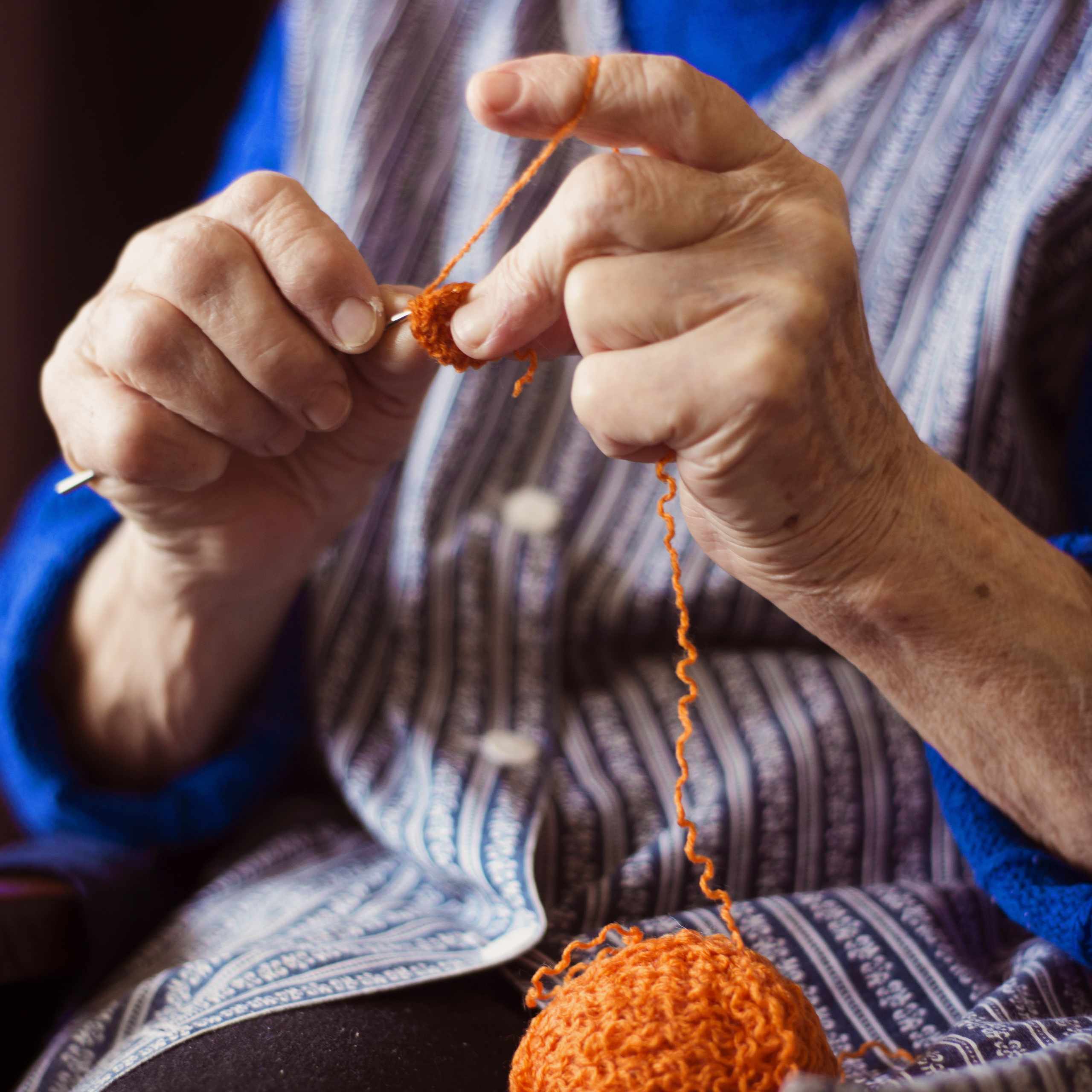
TEXTILE BASICS THAT STAY PRACTICAL.
Work with fabric scraps, simple tools, and visible checks so measuring, marking, pinning, stitching, and finishing do not feel like one rushed step.
FABRIC BEHAVIOR CHECKS
Compare weight, weave, stretch, texture, and fraying before choosing material for a first sample.
STITCH AND EDGE PRACTICE
Practice seam allowance, hem folds, stitch spacing, and thread tension on small textile pieces.
THREE STEPS. ONE CALMER SAMPLE.
FabricHarmony keeps the process simple: notice how the fabric behaves, prepare the piece carefully, then stitch and inspect the result without chasing a polished project too soon.
COMPARE
Handle woven and knit fabric scraps, check grainline, feel texture and drape, and notice which materials shift, stretch, or fray too easily.
PREPARE
Use measuring tape, seam gauge, pins, and marking chalk to plan cut lines, fold hems, and keep the fabric steady before stitching begins.
FINISH
Sew short seams, test stitch spacing, watch thread tension, smooth the sample, and inspect edges for puckering, shifting, or uneven folds.
FABRIC PRACTICE THAT FEELS CLEARER.
Realistic learner feedback about fabric handling, first samples, and small improvements in textile practice.
I used to cut before checking the grainline, then wonder why the piece twisted. Working on small fabric samples helped me slow down and see the problem earlier.

The stitch spacing exercises were useful because they showed when I was
pulling the thread too tightly. My seams are not perfect, but they look calmer now.

Comparing cotton, knit, and fraying scraps before choosing a practice piece made the course feel practical. I understand why fabric choice changes everything.

READY TO WORK WITH FABRIC SLOWLY?
Read practical notes on fabric choice, grainline, cutting, pinning, seams, hems, and the small checks that make first textile exercises easier to follow.
QUESTIONS BEFORE CUTTING.
Quick answers about fabric choice, tools, and first textile practice.
Not always. Many first exercises can use hand sewing needles, thread, fabric scraps, pins, marking chalk, and measuring tools so you can practice control before adding machine speed.
A stable woven cotton sample is often easier than slippery, stretchy, thick, or heavily fraying fabric. The course focuses on checking weight, weave, stretch, and grainline before cutting.
Puckering and shifting are treated as useful inspection points. You practice thread tension, pin placement, seam allowance, and smoothing on scraps before moving to a larger textile piece.